
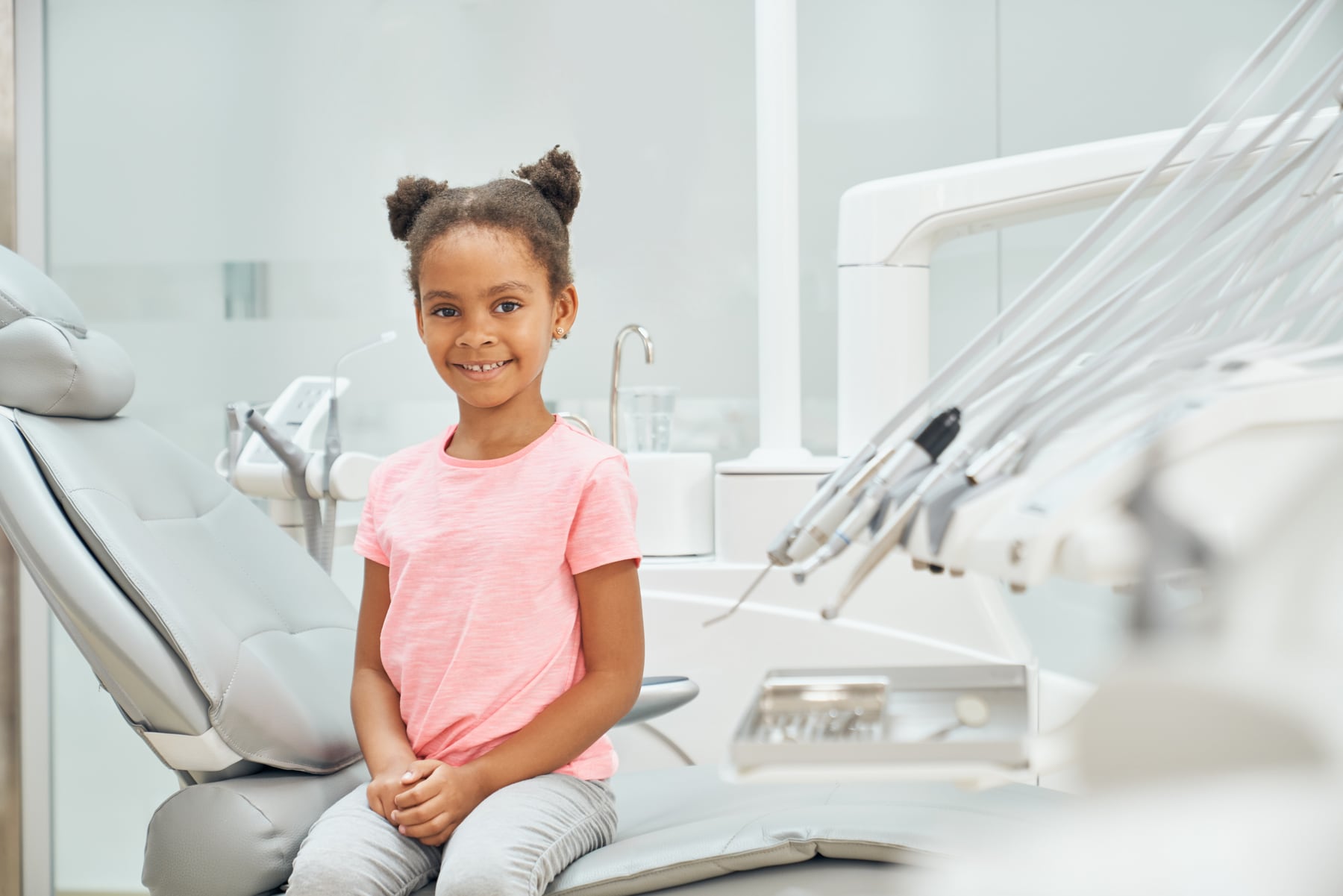
Children's dental care
Pediatric dentistry in Herndon for growing smiles
Caring Dental of Herndon is accepting pediatric patients and provides dental visits for children with care planning that works for children and families. Pediatric dentistry is different from adult dental care because a child's teeth, gums, bite, habits, and confidence are still developing. A good visit is not only about checking for cavities. It is also about helping the child understand the dental office, helping parents understand what is normal for the child's age, and creating a clear plan when a concern needs attention.
Families in Herndon often call because a child needs a routine dental visit, has tooth sensitivity, has visible tooth decay, has a chipped tooth, complains about pain, or is nervous about sitting in the dental chair. The goal of this page is to explain how pediatric dental visits are approached at Caring Dental of Herndon, what parents can expect, and when to schedule an appointment. It is written for parents who want practical guidance before booking, not confusing dental language.
For children
Visits are planned around age, comfort, communication, and the specific dental concern. The dentist looks for problems early and explains the next step in a calm, understandable way.
For parents
Parents receive clear information about tooth development, hygiene, diet habits, cavity risk, timing, insurance questions, and whether a concern needs monitoring or treatment.
For scheduling
Families can call for pediatric appointment questions, insurance confirmation, and guidance when a child has pain, swelling, or a broken tooth.
What pediatric dentistry means at Caring Dental of Herndon
Pediatric dentistry at this office focuses on prevention, early diagnosis, parent education, and practical treatment planning. A child's visit may include a review of medical history, dental history, home care habits, diet patterns, symptoms, and any concerns the parent or guardian has noticed. The dentist may check tooth eruption, baby teeth, permanent teeth, gum health, bite development, crowding, spacing, sensitivity, broken teeth, and signs of tooth decay.
Not every child needs the same type of appointment. Some children come in for routine exams and cleanings. Others come in because a parent notices a spot on a tooth, a child avoids chewing on one side, a baby tooth has not fallen out as expected, or there is pain after eating sweets or cold foods. Some visits are mainly preventive. Other visits are diagnostic, especially when there is swelling, toothache, trauma, or a broken tooth. The dentist connects the symptoms to a diagnosis before recommending a procedure.
The most important part of pediatric care is clarity. Parents should leave knowing what was found, what it means, whether it is urgent, what options exist, and how to help at home. If treatment is recommended, the team explains timing, comfort, aftercare, and how the treatment fits the child's long-term oral health. If no treatment is needed, the visit still has value because it gives the family a prevention plan and a baseline for future care.
What happens during a pediatric dental visit?
A child's dental visit should feel organized and understandable. The team starts by listening. Parents can explain the reason for the visit, whether the child has pain, whether there are feeding or brushing challenges, whether previous dental visits were stressful, and whether there are medical considerations the dentist should know. This helps the dentist tailor the visit instead of treating every child the same way.
Listen and Review
The visit starts with the parent or guardian's concerns, the child's health history, current symptoms, habits, previous dental experiences, and any questions about comfort.
Exam and Diagnosis
The dentist checks teeth, gums, bite, tooth development, cavity risk, sensitivity, broken teeth, and areas that may need X-rays or closer evaluation.
Prevention Plan
The team explains brushing, flossing, diet habits, fluoride guidance when appropriate, cleaning intervals, and age-aware home care steps that parents can actually use.
Clear Next Step
If treatment is recommended, the dentist explains timing, comfort, alternatives, aftercare, and how the plan protects the child's long-term oral health.
Exams, cleanings, and cavity checks
A pediatric exam can identify tooth decay, gum inflammation, enamel changes, tooth wear, spacing concerns, bite changes, and signs that brushing is missing certain areas. When a cleaning is appropriate, the team can remove plaque and buildup and review brushing and flossing techniques with the child and parent. If X-rays are needed, the dentist explains why they are recommended and what information they can show.
Parent education that is specific to the child
General advice is not always enough. A child with crowded teeth may need different flossing help than a child with wide spacing. A child with frequent snacks may need different cavity prevention guidance than a child with dry mouth or deep grooves in back teeth. Parents can ask about brushing routines, flossing, toothpaste, diet habits, dental development, thumb habits, sports mouthguards, and when orthodontic evaluation may be appropriate.
When parents should schedule a child's dental appointment
Many children benefit from routine dental visits about every six months, but timing can change depending on cavity risk, oral hygiene, symptoms, growth, and the dentist's recommendation. Parents should also call when something changes. Tooth pain, swelling, a chipped tooth, visible dark spots, bleeding gums, sensitivity, loose teeth that do not seem age-appropriate, or difficulty chewing are all reasons to schedule an evaluation.
A dental visit is also helpful when parents are unsure whether a finding is normal. Baby teeth can loosen at different times. Permanent teeth may erupt before baby teeth are lost. Children may complain about sensitivity and then seem fine the next day. These situations can be confusing at home. An exam helps separate normal development from concerns that need prevention, monitoring, or treatment.
Call for symptoms
Schedule if your child has toothache, swelling, a broken tooth, sensitivity, pain while chewing, visible decay, or a dental injury. Pain in children should not be ignored or guessed at.
Call for prevention
Schedule routine visits to help prevent cavities, monitor growth, support better home care, and create a dental record before an urgent problem appears.
Comfort, communication, and nervous children
A child who is nervous about the dentist needs patience and structure. The team can explain steps in simple language, keep parents informed, and avoid surprising the child when possible. Some children need time to get used to the chair, instruments, sounds, and new faces. A calm first visit can make future care easier, especially when the child learns that the dental office is a place where questions are allowed.
If a child needs treatment, comfort planning becomes even more important. The dentist explains what is recommended, why it is recommended, and what options may be available based on the child's age, health history, behavior, and treatment need. When appropriate, the office can discuss comfort support such as laughing gas/nitrous oxide. The right approach is determined by the dentist after reviewing the child and the planned care.
Common pediatric dental concerns
Parents do not need to know the exact dental diagnosis before calling. It is enough to describe what you see or what your child is feeling. The dentist can evaluate whether the concern is related to tooth decay, gum irritation, eruption, trauma, bite changes, enamel issues, or another dental problem. Early evaluation often gives families more options and helps avoid larger problems later.
Tooth decay
Cavities can form in baby teeth and permanent teeth. The dentist checks the tooth, explains severity, and reviews prevention or treatment options.
Tooth pain
Pain may come from decay, trauma, infection, eruption, grinding, or another issue. A diagnosis is needed before choosing the right next step.
Broken teeth
A chipped or broken tooth should be evaluated so the dentist can check for sensitivity, nerve involvement, sharp edges, and bite concerns.
Why families choose Caring Dental of Herndon
Families often prefer a dental office that can explain care clearly and keep scheduling simple. Parents can call (703) 303-7777 / (703) 359-5030 for pediatric scheduling, appointment questions, insurance confirmation, and CareCredit financing questions. The office can help families understand what information to bring and whether a concern should be scheduled as soon as possible.
The purpose of pediatric dentistry is not only to fix problems after they happen. It is to help children build healthy habits, help parents recognize early warning signs, and support confident dental visits over time. Whether your child needs a routine checkup, cavity evaluation, dental pain assessment, or prevention guidance, the next step is a visit where the dentist can examine the child and explain the findings in plain language.